

We want to support you every step of the way. Our articles and resources are designed to provide you with useful tips, insights, and guidance as you embark on your therapeutic journey.
Calling all mental health & wellbeing creators! ๐
We`re looking to collaborate with passionate creators who want to make a positive impact.
If you create content around mental health, psychology, self-development, wellbeing, or mindful living, we`d love to hear from you.
Whether you`re a therapist, psychologist, coach, student, advocate, or simply passionate about helping others, we`re looking for authentic creators to share content about wellbeing and the Hive Wellness platform.
If this sounds like you, we`d love to connect.
Know someone who`d be a great fit?
๐ Tag them in the comments or share this post with them!
#wellbeing #contentcreator #mentalhealth #psychology

Calling all mental health & wellbeing creators! ๐
We`re looking to collaborate with passionate creators who want to make a positive impact.
If you create content around mental health, psychology, self-development, wellbeing, or mindful living, we`d love to hear from you.
Whether you`re a therapist, psychologist, coach, student, advocate, or simply passionate about helping others, we`re looking for authentic creators to share content about wellbeing and the Hive Wellness platform.
If this sounds like you, we`d love to connect.
Know someone who`d be a great fit?
๐ Tag them in the comments or share this post with them!
#wellbeing #contentcreator #mentalhealth #psychology
...
Many people think therapy is only about talking through problems.
But evidence shows that structured psychological approaches can create meaningful changes in the way we think, feel, and respond.
Cognitive Behavioural Therapy (CBT) is one of the most researched forms of psychological treatment. It is based on the understanding that our thoughts, emotions, and behaviours are deeply connected - and that changing unhelpful patterns can influence how we experience the world.
Research suggests that CBT can lead to significant improvements for many people. Around 46% of people experience at least a 50% reduction in symptoms after completing a course of CBT, and around 36% experience complete remission of their symptoms.
Whatโs also important is that the process itself matters. Around 80% of people who begin CBT complete the full course, giving them the opportunity to build and practise new psychological skills.
CBT isnโt about forcing yourself to โthink positivelyโ or ignoring difficult emotions.
Itโs about learning to recognise patterns, understand the relationship between your thoughts and feelings, and develop more helpful ways of responding.๐
Take our online questionnaire via the link in our bio -> @hivewellness.uk and let us help you find the therapist thatโs right for you. ๐
Sources:
โ Hofmann, S. G., Asnaani, A., Vonk, I. J. J., Sawyer, A. T., & Fang, A. (2012). The efficacy of Cognitive Behavioral Therapy: A review of meta-analyses. Cognitive Therapy and Research, 36, 427โ440.
โ Cuijpers, P., Karyotaki, E., Weitz, E., Andersson, G., Hollon, S. D., & van Straten, A. (2014). The effects of psychotherapies for major depression in adults on remission, recovery and improvement: A meta-analysis. Journal of Affective Disorders, 159, 118โ126.
โ Waller, G. (2009). Evidence-based treatment and therapist drift. Behaviour Research and Therapy, 47(2), 119โ125.
#therapy #cbt #onlinetherapy #cognitivetherapy
Many people think therapy is only about talking through problems.
But evidence shows that structured psychological approaches can create meaningful changes in the way we think, feel, and respond.
Cognitive Behavioural Therapy (CBT) is one of the most researched forms of psychological treatment. It is based on the understanding that our thoughts, emotions, and behaviours are deeply connected - and that changing unhelpful patterns can influence how we experience the world.
Research suggests that CBT can lead to significant improvements for many people. Around 46% of people experience at least a 50% reduction in symptoms after completing a course of CBT, and around 36% experience complete remission of their symptoms.
Whatโs also important is that the process itself matters. Around 80% of people who begin CBT complete the full course, giving them the opportunity to build and practise new psychological skills.
CBT isnโt about forcing yourself to โthink positivelyโ or ignoring difficult emotions.
Itโs about learning to recognise patterns, understand the relationship between your thoughts and feelings, and develop more helpful ways of responding.๐
Take our online questionnaire via the link in our bio -> @hivewellness.uk and let us help you find the therapist thatโs right for you. ๐
Sources:
โ Hofmann, S. G., Asnaani, A., Vonk, I. J. J., Sawyer, A. T., & Fang, A. (2012). The efficacy of Cognitive Behavioral Therapy: A review of meta-analyses. Cognitive Therapy and Research, 36, 427โ440.
โ Cuijpers, P., Karyotaki, E., Weitz, E., Andersson, G., Hollon, S. D., & van Straten, A. (2014). The effects of psychotherapies for major depression in adults on remission, recovery and improvement: A meta-analysis. Journal of Affective Disorders, 159, 118โ126.
โ Waller, G. (2009). Evidence-based treatment and therapist drift. Behaviour Research and Therapy, 47(2), 119โ125.
#therapy #cbt #onlinetherapy #cognitivetherapy
...
Is it stress or bun out? ๐
Something I wish more people knew about burnout: you donโt have to be at breaking point for it to deserve your attention.
In my work as a psychologist, I often see people continuing to function remarkably well while running on empty. Theyโre still showing up to work, meeting deadlines, seeing friends and getting things done - so they assume they must be fine.
But functioning and feeling well arenโt the same thing.
Sometimes the earlier signs are much quieter: needing more and more time to recharge, feeling less like yourself, becoming unusually irritable, losing enthusiasm for things you normally care about, or noticing that even small demands suddenly feel much heavier.
My advice is to pay attention to those changes before your body forces you to.
You donโt need to prove that youโre struggling โenoughโ before youโre allowed to do something about it. ๐
If youโre wondering where you currently sit on the spectrum between tiredness, stress and burnout, weโve created a free self-assessment to help you reflect on it.
Comment โBURNOUTโ to receive yours!
Or, if youโd like to explore it in more depth, complete our online questionnaire and one of Hiveโs therapists can help you better understand what youโre experiencing.
Discover more via the link in our bio -> @hivewellness.uk
#burnout #burnoutsigns #onlinetherapy
Is it stress or bun out? ๐
Something I wish more people knew about burnout: you donโt have to be at breaking point for it to deserve your attention.
In my work as a psychologist, I often see people continuing to function remarkably well while running on empty. Theyโre still showing up to work, meeting deadlines, seeing friends and getting things done - so they assume they must be fine.
But functioning and feeling well arenโt the same thing.
Sometimes the earlier signs are much quieter: needing more and more time to recharge, feeling less like yourself, becoming unusually irritable, losing enthusiasm for things you normally care about, or noticing that even small demands suddenly feel much heavier.
My advice is to pay attention to those changes before your body forces you to.
You donโt need to prove that youโre struggling โenoughโ before youโre allowed to do something about it. ๐
If youโre wondering where you currently sit on the spectrum between tiredness, stress and burnout, weโve created a free self-assessment to help you reflect on it.
Comment โBURNOUTโ to receive yours!
Or, if youโd like to explore it in more depth, complete our online questionnaire and one of Hiveโs therapists can help you better understand what youโre experiencing.
Discover more via the link in our bio -> @hivewellness.uk
#burnout #burnoutsigns #onlinetherapy
...
Loneliness is a real and growing issue.
Loneliness isnโt simply about being alone. Itโs the feeling that the social connection you have doesnโt match the connection you need. Changes in how we live, work and communicate can all play a role - and younger adults are among those reporting particularly high levels of loneliness.
Persistent loneliness matters. Research links it to poorer mental and physical health, including increased risk of depression and anxiety.
So, what helps? Meaningful social connection, feeling heard and having relationships in which you feel safe enough to be yourself can all make a difference.
Therapy can be one place to build that connection, too. Research consistently shows that the relationship between therapist and client - often called the therapeutic alliance - is an important factor in successful therapy.
Thatโs why, at Hive, connection is at the heart of what we do. We focus on helping you find a specialised therapist who feels right for you - because therapy isnโt just about finding the right expertise, but finding someone you feel comfortable connecting with.
If you ever feel like you could use someone to talk to, weโre here to help you find that connection. ๐
If youโve been thinking about taking that first step, weโd love to help you find the support thatโs right for you.
๐ Complete our questionnaire via the link in our bio -> @hivewellness.uk. Weโll carefully review your responses, connect you with the therapist who best fits your needs, and guide you through the next steps.
#onlinetherapy #loneliness #mentalhealth
Loneliness is a real and growing issue.
Loneliness isnโt simply about being alone. Itโs the feeling that the social connection you have doesnโt match the connection you need. Changes in how we live, work and communicate can all play a role - and younger adults are among those reporting particularly high levels of loneliness.
Persistent loneliness matters. Research links it to poorer mental and physical health, including increased risk of depression and anxiety.
So, what helps? Meaningful social connection, feeling heard and having relationships in which you feel safe enough to be yourself can all make a difference.
Therapy can be one place to build that connection, too. Research consistently shows that the relationship between therapist and client - often called the therapeutic alliance - is an important factor in successful therapy.
Thatโs why, at Hive, connection is at the heart of what we do. We focus on helping you find a specialised therapist who feels right for you - because therapy isnโt just about finding the right expertise, but finding someone you feel comfortable connecting with.
If you ever feel like you could use someone to talk to, weโre here to help you find that connection. ๐
If youโve been thinking about taking that first step, weโd love to help you find the support thatโs right for you.
๐ Complete our questionnaire via the link in our bio -> @hivewellness.uk. Weโll carefully review your responses, connect you with the therapist who best fits your needs, and guide you through the next steps.
#onlinetherapy #loneliness #mentalhealth
...
Happy National Wellness Month ๐
Wellness isnโt just about green juices, morning routines, or finding the perfect balance.
Sometimes, wellness looks like:
- Taking a moment to check in with yourself.
- Making space for emotions instead of pushing them away.
- Prioritising sleep, rest, and recovery.
- Setting boundaries that protect your energy.
- Nurturing the relationships that make you feel supported.
- And recognising that your mental health deserves care, too.
True wellness isnโt about becoming a โbetterโ version of yourself.
Itโs about understanding yourself, listening to what you need, and creating habits that support your mind and body through every season of life.
Research shows that investing in mental wellbeing can have a meaningful impact on how we cope with stress, manage challenges, and build resilience. Practices such as mindfulness, self-compassion, and seeking social support have been linked to improved emotional wellbeing and psychological health.
For many people, therapy becomes an important part of that journey. Not because something is wrong, but because having a safe space to reflect, process, and understand yourself can help you move through life with greater clarity and confidence.
At Hive, we believe wellness starts with finding the right support for you. Thatโs why weโve created a short online questionnaire to help connect you with a therapist who understands your needs and feels like the right fit.
Take our online questionnaire via the link in our bio โ @hivewellness.uk and let us help you find the therapist thatโs right for you. ๐
Sources:
โข Neff (2003) โ Self-compassion: An alternative conceptualization of a healthy attitude toward oneself.
โข Hofmann et al. (2010) โ The effect of mindfulness-based therapy on anxiety and mood symptoms: A meta-analysis.
โข Southwick et al. (2014) โ Resilience: The science of mastering lifeโs greatest challenges.
#NationalWellnessMonth #MentalHealth #SelfCare #OnlineTherapy
Happy National Wellness Month ๐
Wellness isnโt just about green juices, morning routines, or finding the perfect balance.
Sometimes, wellness looks like:
- Taking a moment to check in with yourself.
- Making space for emotions instead of pushing them away.
- Prioritising sleep, rest, and recovery.
- Setting boundaries that protect your energy.
- Nurturing the relationships that make you feel supported.
- And recognising that your mental health deserves care, too.
True wellness isnโt about becoming a โbetterโ version of yourself.
Itโs about understanding yourself, listening to what you need, and creating habits that support your mind and body through every season of life.
Research shows that investing in mental wellbeing can have a meaningful impact on how we cope with stress, manage challenges, and build resilience. Practices such as mindfulness, self-compassion, and seeking social support have been linked to improved emotional wellbeing and psychological health.
For many people, therapy becomes an important part of that journey. Not because something is wrong, but because having a safe space to reflect, process, and understand yourself can help you move through life with greater clarity and confidence.
At Hive, we believe wellness starts with finding the right support for you. Thatโs why weโve created a short online questionnaire to help connect you with a therapist who understands your needs and feels like the right fit.
Take our online questionnaire via the link in our bio โ @hivewellness.uk and let us help you find the therapist thatโs right for you. ๐
Sources:
โข Neff (2003) โ Self-compassion: An alternative conceptualization of a healthy attitude toward oneself.
โข Hofmann et al. (2010) โ The effect of mindfulness-based therapy on anxiety and mood symptoms: A meta-analysis.
โข Southwick et al. (2014) โ Resilience: The science of mastering lifeโs greatest challenges.
#NationalWellnessMonth #MentalHealth #SelfCare #OnlineTherapy
...
Most people donโt realise that we donโt just remember our early relationships - we carry them.
Not necessarily as memories, but as expectations.
Maybe you expect people to leave.
Maybe closeness feels overwhelming.
Maybe conflict feels threatening.
Or perhaps youโre constantly scanning for signs that something is wrong.
These responses arenโt signs that youโre โtoo emotionalโ or โbad at relationships.โ Theyโre often adaptive strategies your nervous system developed to keep you safe.
The encouraging part? What was learned can also be relearned.
Every healthy relationship, every moment of self-awareness, and every experience of emotional safety gives your brain an opportunity to build new patterns.
Understanding your attachment style isnโt about finding another label. Itโs about replacing self-judgment with self-understanding.
Because when you understand why you respond the way you do, youโre in a much better position to choose differently.
๐ Comment โATTACHMENTโ and weโll send you our free Attachment Style Guide to help you discover your attachment style and learn practical ways to move towards more secure relationships.
Sources:
โ Fraley, R. C. (2002). Attachment stability from infancy to adulthood: Meta-analysis and dynamic modeling of developmental mechanisms. Personality and Social Psychology Review, 6(2), 123โ151.
โ Hazan, C., & Shaver, P. R. (1987). Romantic love conceptualised as an attachment process. Journal of Personality and Social Psychology, 52(3), 511โ524.
โ Mikulincer, M., & Shaver, P. R. (2016). Attachment in Adulthood: Structure, Dynamics, and Change (2nd ed.). Guilford Press.
#attachment #attachmentstyle #onlinetherapy

Most people donโt realise that we donโt just remember our early relationships - we carry them.
Not necessarily as memories, but as expectations.
Maybe you expect people to leave.
Maybe closeness feels overwhelming.
Maybe conflict feels threatening.
Or perhaps youโre constantly scanning for signs that something is wrong.
These responses arenโt signs that youโre โtoo emotionalโ or โbad at relationships.โ Theyโre often adaptive strategies your nervous system developed to keep you safe.
The encouraging part? What was learned can also be relearned.
Every healthy relationship, every moment of self-awareness, and every experience of emotional safety gives your brain an opportunity to build new patterns.
Understanding your attachment style isnโt about finding another label. Itโs about replacing self-judgment with self-understanding.
Because when you understand why you respond the way you do, youโre in a much better position to choose differently.
๐ Comment โATTACHMENTโ and weโll send you our free Attachment Style Guide to help you discover your attachment style and learn practical ways to move towards more secure relationships.
Sources:
โ Fraley, R. C. (2002). Attachment stability from infancy to adulthood: Meta-analysis and dynamic modeling of developmental mechanisms. Personality and Social Psychology Review, 6(2), 123โ151.
โ Hazan, C., & Shaver, P. R. (1987). Romantic love conceptualised as an attachment process. Journal of Personality and Social Psychology, 52(3), 511โ524.
โ Mikulincer, M., & Shaver, P. R. (2016). Attachment in Adulthood: Structure, Dynamics, and Change (2nd ed.). Guilford Press.
#attachment #attachmentstyle #onlinetherapy
...
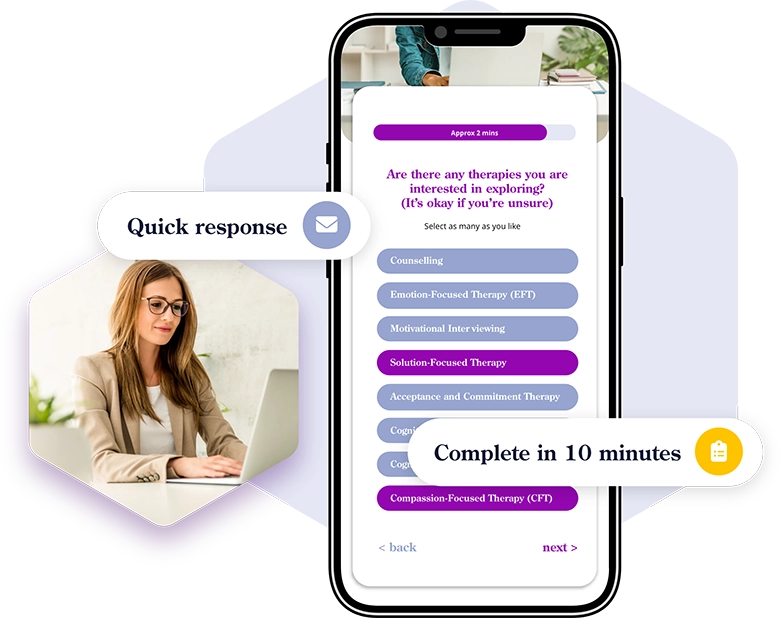
At Hive Wellness, we believe meaningful connection is the key to a strong mental health. Whether you need support, guidance, or a fresh start, weโre here to help. With compassionate, evidence-based care, we make mental health support accessible and personal.
Get in touch today and take the first step towards a healthier, more balanced life.
We know that starting therapy is a big step, and itโs okay if youโre not quite ready yet. That doesnโt mean you have to go through your journey alone.
Sign up for expert mental wellness tips, self-care advice, and exclusive resources, all designed to support you at your own pace. No pressure, no commitment, just helpful insights straight to your inbox.
Join Hive Wellness today, for monthly support, resources and special offers.
"*" indicates required fields
Not ready to start therapy just yet?
Thatโs completely okay. Sign up to receive expert wellness advice, mental health insights, and exclusive free resources, all designed to support you, wherever you are on your journey. No pressure, just guidance when you need it.
Start your journey to better healthย today.
Calling all mental health & wellbeing creators! ๐
We`re looking to collaborate with passionate creators who want to make a positive impact.
If you create content around mental health, psychology, self-development, wellbeing, or mindful living, we`d love to hear from you.
Whether you`re a therapist, psychologist, coach, student, advocate, or simply passionate about helping others, we`re looking for authentic creators to share content about wellbeing and the Hive Wellness platform.
If this sounds like you, we`d love to connect.
Know someone who`d be a great fit?
๐ Tag them in the comments or share this post with them!
#wellbeing #contentcreator #mentalhealth #psychology
Calling all mental health & wellbeing creators! ๐
We`re looking to collaborate with passionate creators who want to make a positive impact.
If you create content around mental health, psychology, self-development, wellbeing, or mindful living, we`d love to hear from you.
Whether you`re a therapist, psychologist, coach, student, advocate, or simply passionate about helping others, we`re looking for authentic creators to share content about wellbeing and the Hive Wellness platform.
If this sounds like you, we`d love to connect.
Know someone who`d be a great fit?
๐ Tag them in the comments or share this post with them!
#wellbeing #contentcreator #mentalhealth #psychology
...
Many people think therapy is only about talking through problems.
But evidence shows that structured psychological approaches can create meaningful changes in the way we think, feel, and respond.
Cognitive Behavioural Therapy (CBT) is one of the most researched forms of psychological treatment. It is based on the understanding that our thoughts, emotions, and behaviours are deeply connected - and that changing unhelpful patterns can influence how we experience the world.
Research suggests that CBT can lead to significant improvements for many people. Around 46% of people experience at least a 50% reduction in symptoms after completing a course of CBT, and around 36% experience complete remission of their symptoms.
Whatโs also important is that the process itself matters. Around 80% of people who begin CBT complete the full course, giving them the opportunity to build and practise new psychological skills.
CBT isnโt about forcing yourself to โthink positivelyโ or ignoring difficult emotions.
Itโs about learning to recognise patterns, understand the relationship between your thoughts and feelings, and develop more helpful ways of responding.๐
Take our online questionnaire via the link in our bio -> @hivewellness.uk and let us help you find the therapist thatโs right for you. ๐
Sources:
โ Hofmann, S. G., Asnaani, A., Vonk, I. J. J., Sawyer, A. T., & Fang, A. (2012). The efficacy of Cognitive Behavioral Therapy: A review of meta-analyses. Cognitive Therapy and Research, 36, 427โ440.
โ Cuijpers, P., Karyotaki, E., Weitz, E., Andersson, G., Hollon, S. D., & van Straten, A. (2014). The effects of psychotherapies for major depression in adults on remission, recovery and improvement: A meta-analysis. Journal of Affective Disorders, 159, 118โ126.
โ Waller, G. (2009). Evidence-based treatment and therapist drift. Behaviour Research and Therapy, 47(2), 119โ125.
#therapy #cbt #onlinetherapy #cognitivetherapy
Many people think therapy is only about talking through problems.
But evidence shows that structured psychological approaches can create meaningful changes in the way we think, feel, and respond.
Cognitive Behavioural Therapy (CBT) is one of the most researched forms of psychological treatment. It is based on the understanding that our thoughts, emotions, and behaviours are deeply connected - and that changing unhelpful patterns can influence how we experience the world.
Research suggests that CBT can lead to significant improvements for many people. Around 46% of people experience at least a 50% reduction in symptoms after completing a course of CBT, and around 36% experience complete remission of their symptoms.
Whatโs also important is that the process itself matters. Around 80% of people who begin CBT complete the full course, giving them the opportunity to build and practise new psychological skills.
CBT isnโt about forcing yourself to โthink positivelyโ or ignoring difficult emotions.
Itโs about learning to recognise patterns, understand the relationship between your thoughts and feelings, and develop more helpful ways of responding.๐
Take our online questionnaire via the link in our bio -> @hivewellness.uk and let us help you find the therapist thatโs right for you. ๐
Sources:
โ Hofmann, S. G., Asnaani, A., Vonk, I. J. J., Sawyer, A. T., & Fang, A. (2012). The efficacy of Cognitive Behavioral Therapy: A review of meta-analyses. Cognitive Therapy and Research, 36, 427โ440.
โ Cuijpers, P., Karyotaki, E., Weitz, E., Andersson, G., Hollon, S. D., & van Straten, A. (2014). The effects of psychotherapies for major depression in adults on remission, recovery and improvement: A meta-analysis. Journal of Affective Disorders, 159, 118โ126.
โ Waller, G. (2009). Evidence-based treatment and therapist drift. Behaviour Research and Therapy, 47(2), 119โ125.
#therapy #cbt #onlinetherapy #cognitivetherapy
...
Is it stress or bun out? ๐
Something I wish more people knew about burnout: you donโt have to be at breaking point for it to deserve your attention.
In my work as a psychologist, I often see people continuing to function remarkably well while running on empty. Theyโre still showing up to work, meeting deadlines, seeing friends and getting things done - so they assume they must be fine.
But functioning and feeling well arenโt the same thing.
Sometimes the earlier signs are much quieter: needing more and more time to recharge, feeling less like yourself, becoming unusually irritable, losing enthusiasm for things you normally care about, or noticing that even small demands suddenly feel much heavier.
My advice is to pay attention to those changes before your body forces you to.
You donโt need to prove that youโre struggling โenoughโ before youโre allowed to do something about it. ๐
If youโre wondering where you currently sit on the spectrum between tiredness, stress and burnout, weโve created a free self-assessment to help you reflect on it.
Comment โBURNOUTโ to receive yours!
Or, if youโd like to explore it in more depth, complete our online questionnaire and one of Hiveโs therapists can help you better understand what youโre experiencing.
Discover more via the link in our bio -> @hivewellness.uk
#burnout #burnoutsigns #onlinetherapy
Is it stress or bun out? ๐
Something I wish more people knew about burnout: you donโt have to be at breaking point for it to deserve your attention.
In my work as a psychologist, I often see people continuing to function remarkably well while running on empty. Theyโre still showing up to work, meeting deadlines, seeing friends and getting things done - so they assume they must be fine.
But functioning and feeling well arenโt the same thing.
Sometimes the earlier signs are much quieter: needing more and more time to recharge, feeling less like yourself, becoming unusually irritable, losing enthusiasm for things you normally care about, or noticing that even small demands suddenly feel much heavier.
My advice is to pay attention to those changes before your body forces you to.
You donโt need to prove that youโre struggling โenoughโ before youโre allowed to do something about it. ๐
If youโre wondering where you currently sit on the spectrum between tiredness, stress and burnout, weโve created a free self-assessment to help you reflect on it.
Comment โBURNOUTโ to receive yours!
Or, if youโd like to explore it in more depth, complete our online questionnaire and one of Hiveโs therapists can help you better understand what youโre experiencing.
Discover more via the link in our bio -> @hivewellness.uk
#burnout #burnoutsigns #onlinetherapy
...
Loneliness is a real and growing issue.
Loneliness isnโt simply about being alone. Itโs the feeling that the social connection you have doesnโt match the connection you need. Changes in how we live, work and communicate can all play a role - and younger adults are among those reporting particularly high levels of loneliness.
Persistent loneliness matters. Research links it to poorer mental and physical health, including increased risk of depression and anxiety.
So, what helps? Meaningful social connection, feeling heard and having relationships in which you feel safe enough to be yourself can all make a difference.
Therapy can be one place to build that connection, too. Research consistently shows that the relationship between therapist and client - often called the therapeutic alliance - is an important factor in successful therapy.
Thatโs why, at Hive, connection is at the heart of what we do. We focus on helping you find a specialised therapist who feels right for you - because therapy isnโt just about finding the right expertise, but finding someone you feel comfortable connecting with.
If you ever feel like you could use someone to talk to, weโre here to help you find that connection. ๐
If youโve been thinking about taking that first step, weโd love to help you find the support thatโs right for you.
๐ Complete our questionnaire via the link in our bio -> @hivewellness.uk. Weโll carefully review your responses, connect you with the therapist who best fits your needs, and guide you through the next steps.
#onlinetherapy #loneliness #mentalhealth
Loneliness is a real and growing issue.
Loneliness isnโt simply about being alone. Itโs the feeling that the social connection you have doesnโt match the connection you need. Changes in how we live, work and communicate can all play a role - and younger adults are among those reporting particularly high levels of loneliness.
Persistent loneliness matters. Research links it to poorer mental and physical health, including increased risk of depression and anxiety.
So, what helps? Meaningful social connection, feeling heard and having relationships in which you feel safe enough to be yourself can all make a difference.
Therapy can be one place to build that connection, too. Research consistently shows that the relationship between therapist and client - often called the therapeutic alliance - is an important factor in successful therapy.
Thatโs why, at Hive, connection is at the heart of what we do. We focus on helping you find a specialised therapist who feels right for you - because therapy isnโt just about finding the right expertise, but finding someone you feel comfortable connecting with.
If you ever feel like you could use someone to talk to, weโre here to help you find that connection. ๐
If youโve been thinking about taking that first step, weโd love to help you find the support thatโs right for you.
๐ Complete our questionnaire via the link in our bio -> @hivewellness.uk. Weโll carefully review your responses, connect you with the therapist who best fits your needs, and guide you through the next steps.
#onlinetherapy #loneliness #mentalhealth
...
Happy National Wellness Month ๐
Wellness isnโt just about green juices, morning routines, or finding the perfect balance.
Sometimes, wellness looks like:
- Taking a moment to check in with yourself.
- Making space for emotions instead of pushing them away.
- Prioritising sleep, rest, and recovery.
- Setting boundaries that protect your energy.
- Nurturing the relationships that make you feel supported.
- And recognising that your mental health deserves care, too.
True wellness isnโt about becoming a โbetterโ version of yourself.
Itโs about understanding yourself, listening to what you need, and creating habits that support your mind and body through every season of life.
Research shows that investing in mental wellbeing can have a meaningful impact on how we cope with stress, manage challenges, and build resilience. Practices such as mindfulness, self-compassion, and seeking social support have been linked to improved emotional wellbeing and psychological health.
For many people, therapy becomes an important part of that journey. Not because something is wrong, but because having a safe space to reflect, process, and understand yourself can help you move through life with greater clarity and confidence.
At Hive, we believe wellness starts with finding the right support for you. Thatโs why weโve created a short online questionnaire to help connect you with a therapist who understands your needs and feels like the right fit.
Take our online questionnaire via the link in our bio โ @hivewellness.uk and let us help you find the therapist thatโs right for you. ๐
Sources:
โข Neff (2003) โ Self-compassion: An alternative conceptualization of a healthy attitude toward oneself.
โข Hofmann et al. (2010) โ The effect of mindfulness-based therapy on anxiety and mood symptoms: A meta-analysis.
โข Southwick et al. (2014) โ Resilience: The science of mastering lifeโs greatest challenges.
#NationalWellnessMonth #MentalHealth #SelfCare #OnlineTherapy
Happy National Wellness Month ๐
Wellness isnโt just about green juices, morning routines, or finding the perfect balance.
Sometimes, wellness looks like:
- Taking a moment to check in with yourself.
- Making space for emotions instead of pushing them away.
- Prioritising sleep, rest, and recovery.
- Setting boundaries that protect your energy.
- Nurturing the relationships that make you feel supported.
- And recognising that your mental health deserves care, too.
True wellness isnโt about becoming a โbetterโ version of yourself.
Itโs about understanding yourself, listening to what you need, and creating habits that support your mind and body through every season of life.
Research shows that investing in mental wellbeing can have a meaningful impact on how we cope with stress, manage challenges, and build resilience. Practices such as mindfulness, self-compassion, and seeking social support have been linked to improved emotional wellbeing and psychological health.
For many people, therapy becomes an important part of that journey. Not because something is wrong, but because having a safe space to reflect, process, and understand yourself can help you move through life with greater clarity and confidence.
At Hive, we believe wellness starts with finding the right support for you. Thatโs why weโve created a short online questionnaire to help connect you with a therapist who understands your needs and feels like the right fit.
Take our online questionnaire via the link in our bio โ @hivewellness.uk and let us help you find the therapist thatโs right for you. ๐
Sources:
โข Neff (2003) โ Self-compassion: An alternative conceptualization of a healthy attitude toward oneself.
โข Hofmann et al. (2010) โ The effect of mindfulness-based therapy on anxiety and mood symptoms: A meta-analysis.
โข Southwick et al. (2014) โ Resilience: The science of mastering lifeโs greatest challenges.
#NationalWellnessMonth #MentalHealth #SelfCare #OnlineTherapy
...
Most people donโt realise that we donโt just remember our early relationships - we carry them.
Not necessarily as memories, but as expectations.
Maybe you expect people to leave.
Maybe closeness feels overwhelming.
Maybe conflict feels threatening.
Or perhaps youโre constantly scanning for signs that something is wrong.
These responses arenโt signs that youโre โtoo emotionalโ or โbad at relationships.โ Theyโre often adaptive strategies your nervous system developed to keep you safe.
The encouraging part? What was learned can also be relearned.
Every healthy relationship, every moment of self-awareness, and every experience of emotional safety gives your brain an opportunity to build new patterns.
Understanding your attachment style isnโt about finding another label. Itโs about replacing self-judgment with self-understanding.
Because when you understand why you respond the way you do, youโre in a much better position to choose differently.
๐ Comment โATTACHMENTโ and weโll send you our free Attachment Style Guide to help you discover your attachment style and learn practical ways to move towards more secure relationships.
Sources:
โ Fraley, R. C. (2002). Attachment stability from infancy to adulthood: Meta-analysis and dynamic modeling of developmental mechanisms. Personality and Social Psychology Review, 6(2), 123โ151.
โ Hazan, C., & Shaver, P. R. (1987). Romantic love conceptualised as an attachment process. Journal of Personality and Social Psychology, 52(3), 511โ524.
โ Mikulincer, M., & Shaver, P. R. (2016). Attachment in Adulthood: Structure, Dynamics, and Change (2nd ed.). Guilford Press.
#attachment #attachmentstyle #onlinetherapy
Most people donโt realise that we donโt just remember our early relationships - we carry them.
Not necessarily as memories, but as expectations.
Maybe you expect people to leave.
Maybe closeness feels overwhelming.
Maybe conflict feels threatening.
Or perhaps youโre constantly scanning for signs that something is wrong.
These responses arenโt signs that youโre โtoo emotionalโ or โbad at relationships.โ Theyโre often adaptive strategies your nervous system developed to keep you safe.
The encouraging part? What was learned can also be relearned.
Every healthy relationship, every moment of self-awareness, and every experience of emotional safety gives your brain an opportunity to build new patterns.
Understanding your attachment style isnโt about finding another label. Itโs about replacing self-judgment with self-understanding.
Because when you understand why you respond the way you do, youโre in a much better position to choose differently.
๐ Comment โATTACHMENTโ and weโll send you our free Attachment Style Guide to help you discover your attachment style and learn practical ways to move towards more secure relationships.
Sources:
โ Fraley, R. C. (2002). Attachment stability from infancy to adulthood: Meta-analysis and dynamic modeling of developmental mechanisms. Personality and Social Psychology Review, 6(2), 123โ151.
โ Hazan, C., & Shaver, P. R. (1987). Romantic love conceptualised as an attachment process. Journal of Personality and Social Psychology, 52(3), 511โ524.
โ Mikulincer, M., & Shaver, P. R. (2016). Attachment in Adulthood: Structure, Dynamics, and Change (2nd ed.). Guilford Press.
#attachment #attachmentstyle #onlinetherapy

...
New here? Start here!